Trees and Solar Panels: Balancing Shade, Safety and Energy
The Sunshine Coast is renowned for its abundant sunshine and lush, https://sunshinecoasttreeremovalexperts.com.au/hedge-trimming/ subtropical vegetation. Across the region, thousands of homeowners and businesses rely on rooftop solar photovoltaic (PV) systems to lower energy bills and reduce their carbon footprint. However, the region's dense tree canopy can create a delicate conflict between environmental sustainability, structural safety, and renewable energy production. Managing mature trees near rooftop solar arrays requires a strategic approach that balances shading, storm resilience, and local vegetation protections.
The Impact of Shading on Modern Solar Systems
Even partial shading on a solar array can disproportionately degrade its daily output. Standard string-inverter solar systems operate in a series; if shade covers just a fraction of one panel, the performance of the entire string drops significantly. While modern installations in 2026 frequently use micro-inverters, DC optimizers, and bypass diodes to isolate shaded cells, continuous obstruction still prevents panels from reaching peak kilowatt-hour generation during optimal midday hours.
In the Sunshine Coast region, solar paths change substantially between the summer and winter solstices. A tree that casts negligible shade during December midday sun may throw a long, horizontal shadow across your roof in June and July. Conducting a solar path analysis helps property owners determine the exact times and seasons a tree canopy compromises power output.

Physical Risks: Debris, Micro-Cracks, and Fire Hazards
Beyond shading, proximity between tree canopies and solar modules creates notable safety and maintenance concerns. The coastal weather patterns of South East Queensland bring regular summer storms, high winds, and severe weather events. Heavy overhanging limbs represent a critical risk to fragile solar panels, as falling branches can shatter photovoltaic glass or crack mounting frames.

Other continuous issues include:
- Leaf litter and organic debris: Gum leaves, paperbark fragments, and palm fronds accumulate in the gaps beneath and between panels, trapping moisture against the roof surface.
- Hot spots and fire risk: Organic matter like dried leaves or bird droppings on a solar cell creates concentrated resistance points, which generate localized heat spots that degrade the panel prematurely.
- Pest intrusion: Overhanging branches provide easy bridges for possums, rodents, and birds to nest underneath panels, frequently chewing through DC cabling and posing electrical fire risks.
Sunshine Coast Regulations and Professional Pruning
Homeowners cannot simply remove any tree that obstructs sunlight. The Sunshine Coast Council enforces specific vegetation protection orders (VPOs) and biodiversity overlays to preserve native habitats and visual amenity. Unauthorised clearing or excessive lopping of protected species can result in severe financial penalties.
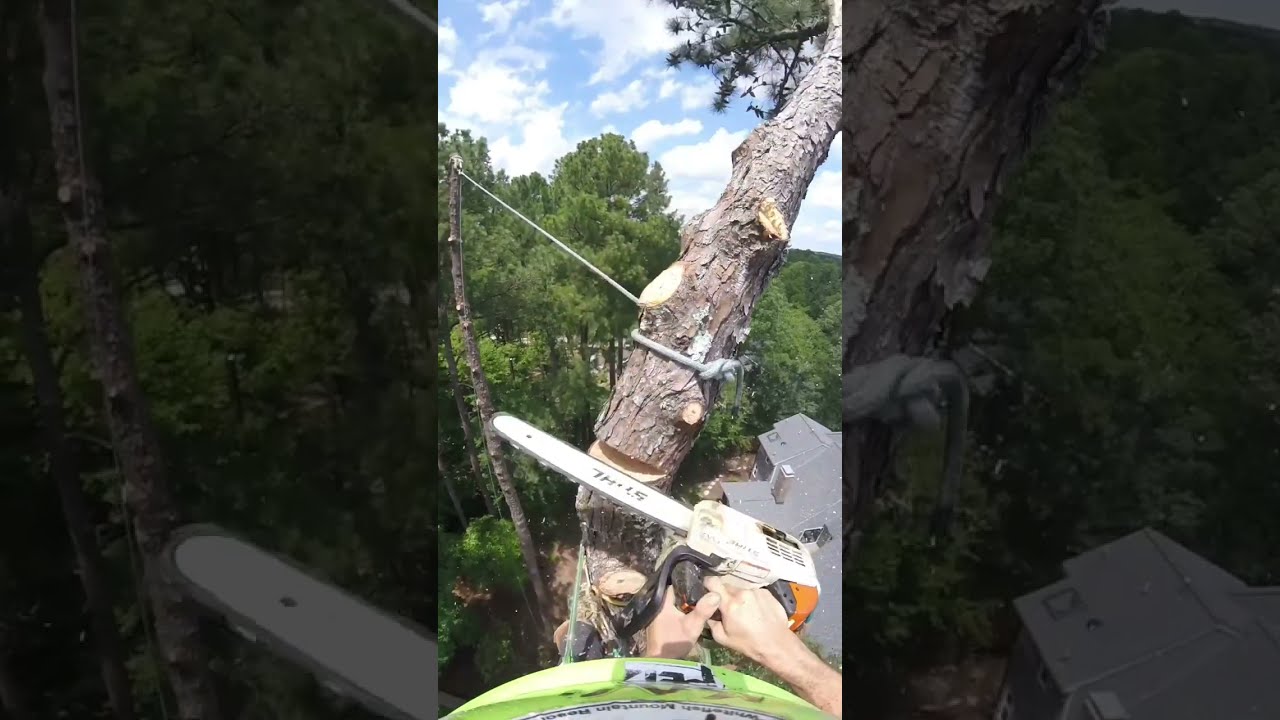
Rather than complete tree removal, targeted arborist techniques often resolve shading issues while complying with council guidelines. Crown thinning removes selective secondary branches throughout the canopy to let sunlight filter through without compromising tree health. Directional pruning and crown lifting train tree growth away from rooflines, maintaining the required clearance without destabilising the root-to-canopy balance.
Actionable Steps for Solar and Canopy Coexistence
Property owners planning new landscape additions or seeking to optimize existing solar infrastructure should follow a structured management routine:
- Maintain a 3-metre clearance buffer: Keep fast-growing branches trimmed back at least three metres from the edge of the roof array to prevent storm damage and reduce leaf accumulation.
- Schedule pre-storm season canopy inspections: Engage a qualified arborist ahead of the late spring storm season to identify deadwood, fungal rot, or hollow branches near solar structures.
- Install mesh leaf guards: Fit specialized bird and leaf-proofing mesh around the perimeter of the array to block nesting animals and prevent organic debris from settling under the wiring harness.
- Select low-growing native flora: When landscaping, choose native coastal shrubs and small trees that mature below your gutter height to eliminate future shading conflicts as your garden establishes.
Looking Ahead: Sustainable Synergy
Preserving the urban forest of the Sunshine Coast does not require sacrificing clean solar generation. Through proactive arboricultural maintenance, regular panel inspections, and thoughtful garden planning, property owners can protect their solar investments while supporting local biodiversity.
Sunshine Coast Tree Removal Experts
Unit 5/12 Kelly Ct, Buderim QLD 4556
(07) 4144 9008
Corrections
Spot something wrong? Send it to the desk and it gets fixed in the open.